MBBS Abroad Pathway | Study MBBS Abroad with Expert Guidance

Best Universities To Study MBBS
Get Your Free Consultation Today!
Countries We Offer











The Core Philosophy
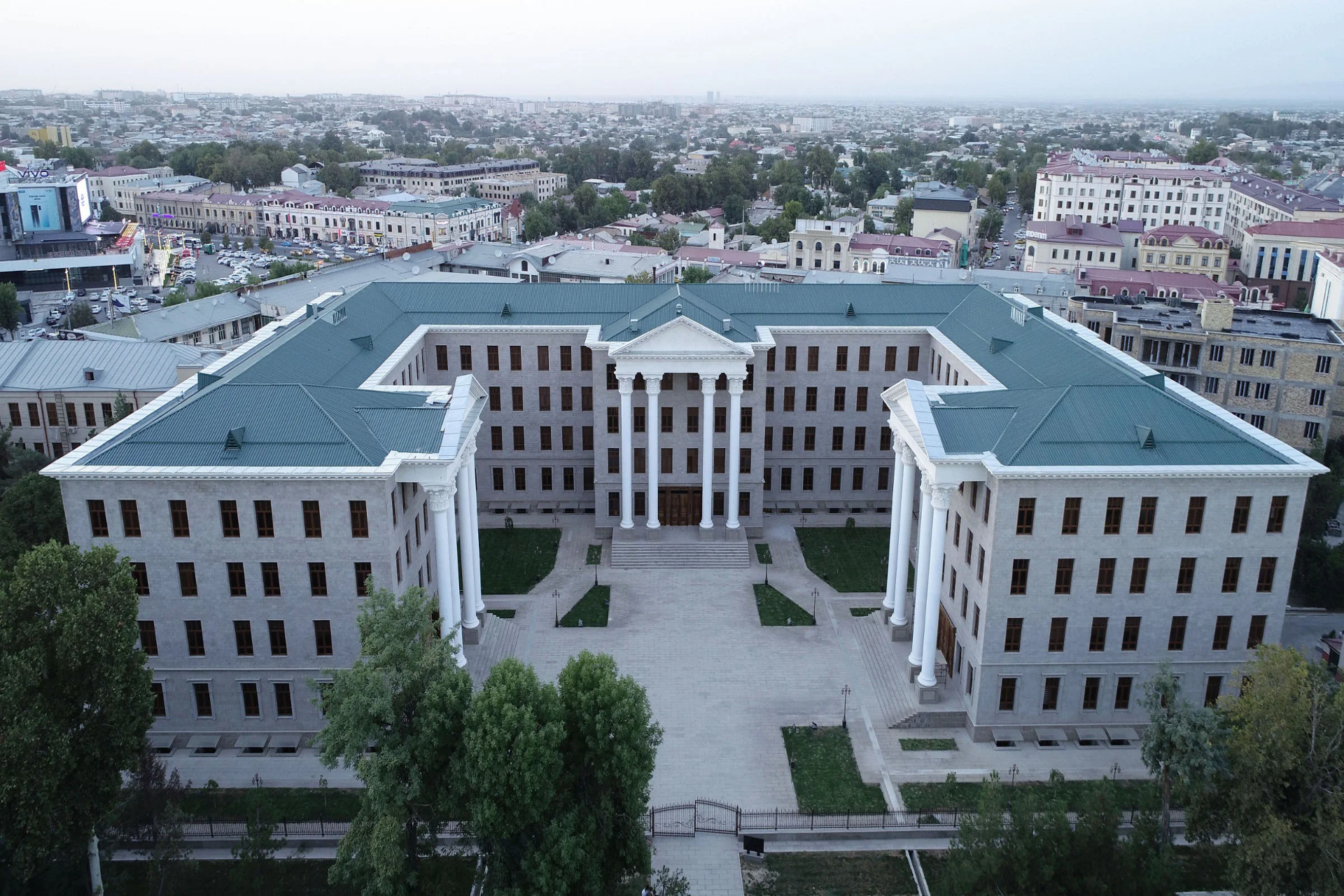
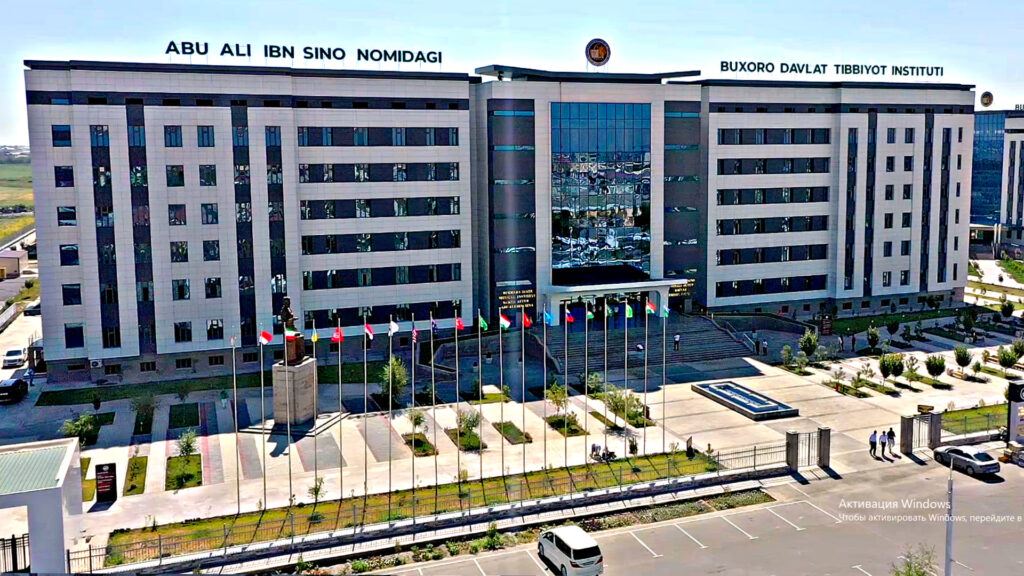
Choosing to pursue a medical degree at a State Medical University abroad represents more than just a geographical shift; it is a profound commitment to a highcaliber clinical pedagogy rooted in centuries of academic tradition and public service. These institutions serve as the architectural backbone of their national healthcare systems, offering international students an unparalleled nexus of theoretical rigor and direct, high-volume patient interaction within expansive government hospital networks. By bridging the gap between historical excellence and modern diagnostic technologies, these universities cultivate a unique breed of physician—one who is not only technically proficient but also culturally resilient and globally minded. In this environment, the art of healing is taught as a sacred public duty, pushing students to transcend standard curricula and engage with the complexities of human health on a truly universal scale.
Clinical Immersion & Research
Beyond the lecture halls, the state medical university provides a comprehensive ecosystem where the gap between classroom learning and real clinical practice is minimal. Students gain hands-on exposure and practical knowledge from an early stage, ensuring they are well-prepared for real-world medical challenges.
The emphasis on “State” status ensures that the curriculum is strictly regulated by national and international medical councils. This guarantees a high standard of education, global recognition, and credibility—making graduates eligible for licensing exams such as USMLE (USA), PLAB (UK), and other international qualifying examinations.
Diverse Pathology
Exposure to a vast range of clinical cases rarely seen in private clinical settings.
State-Funded Laboratories
Access to research facilities funded by national grants, fostering innovation in molecular biology and surgery.
Interdisciplinary Collaboration:
Working alongside national experts and residents in public health initiatives
The Global Graduate
Graduating from a foreign state medical university equips a doctor with a rare set of soft skills. The necessity of navigating a different language, understanding varied cultural nuances of patient care, and adapting to diverse medical protocols creates a highly adaptable professional. As the world moves toward a more integrated healthcare model, these graduates find themselves at a distinct advantage. They possess the grit developed through rigorous state exams and the empathy gained from serving diverse populations. They are not just doctors; they are global health ambassadors prepared to lead in any clinical environment.
Why Study MBBS Abroad?
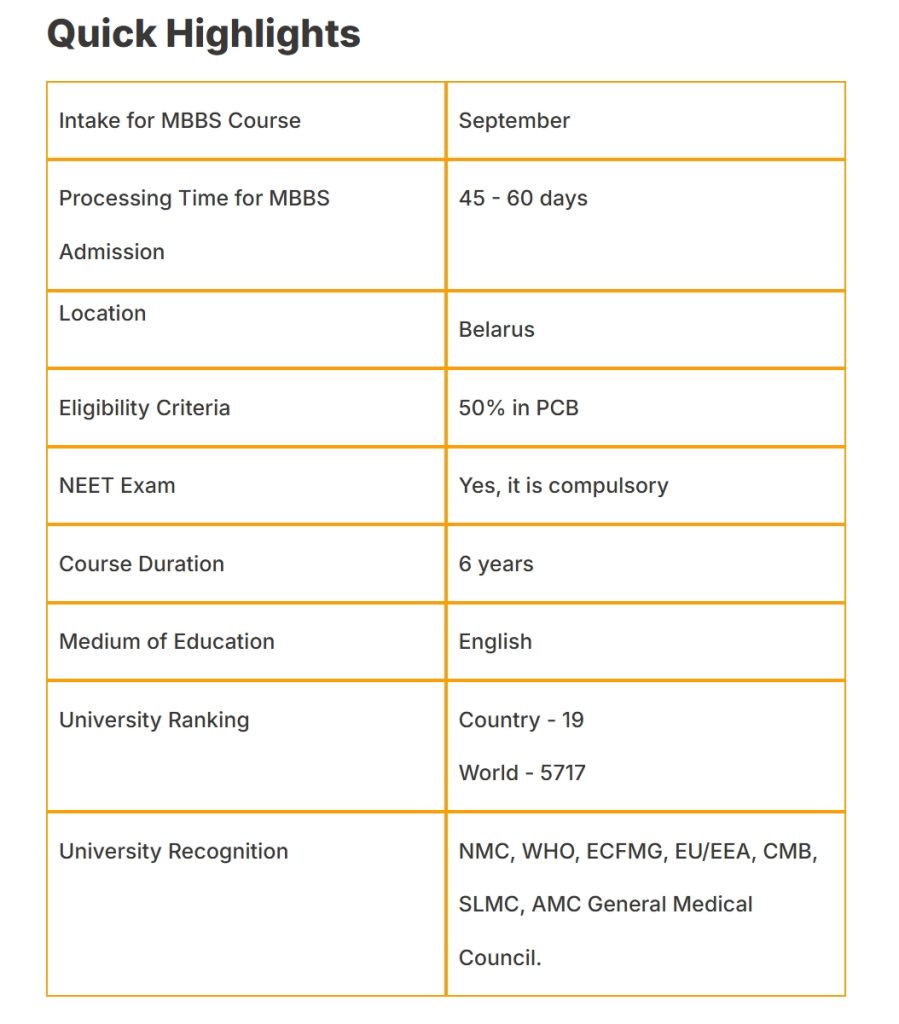
- Affordable Education: Tuition fees are significantly lower compared to many private medical colleges in India.
- Global Standard Training: Students gain practical experience through modern infrastructure and reputed government hospitals.
- No Donation or Entrance Hassle: Admissions are offered directly based on NEET qualification and academic eligibility criteria.
- NMC-Compliant Curriculum: The syllabus follows National Medical Commission (NMC) guidelines, helping students prepare for NEXT eligibility and future medical practice in India.